
Track 2 Reflexes: Wiring the Body for Motion
If Track 1 reflexes are about primal survival, Track 2 reflexes are the blueprints for movement. These reflexes don’t just keep us safe — they teach us how to interact with the world through rotation, reach, and rhythm.
These patterns write the early code for unilateral control, core rotation, and dynamic gait. And if they’re retained into adulthood? You’ll see compensation patterns that don’t respond to conventional rehab.
Track 2 is all about rotation, laterality, and movement mapping — and it includes:
-
ATNR (Asymmetrical Tonic Neck Reflex)
-
Spinal Gallant Reflex
-
Babinski Reflex
-
Rooting Reflex
-
Palmar Reflex
Track 2 Reflexes — Laying the Foundation for Gait & Rotation
Unlike the sagittal-dominant Track 1 reflexes, Track 2 patterns unfold through the transverse and frontal planes — shaping left/right coordination, unilateral movement, and rotational stability.
Think crawling, creeping, reaching, grasping, rotating — these are movement-based reflexes, and they’re often highly active in gait and rotation-related issues in adults.
Let’s break them down.
1. ATNR: The Midline Divider
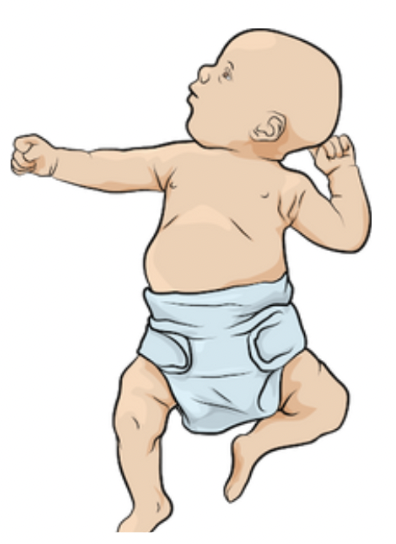
Appears: In utero
Inhibits: ~6 months postnatally
Function: Teaches left/right distinction, trains one side at a time, integrates visual and proprioceptive mapping.
Stuck Looks Like:
-
Difficulty crossing midline
-
Gait or crawling disorders
-
Left-right confusion
-
Visual tracking limitations
-
Asymmetric postural tone (e.g. scoliosis)
Clinical Gem: ATNR is the boss of Track 2. If your client rotates their head and their arm moves with it, this reflex is still active — and it’s likely distorting movement maps across the body.
✅ Test it in standing or quadruped to reveal its imprint on gait and trunk rotation.
2. Spinal Gallant: The Lateral Wiggler
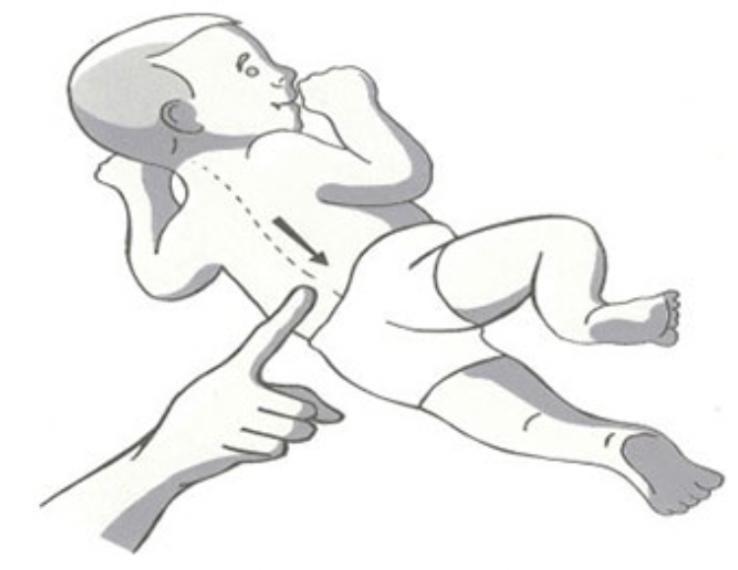
Appears: At birth
Inhibits: ~9 months
Function: Facilitates hip movement and spinal mobility during birth; coordinates lateral flexion and tactile processing.
Stuck Looks Like:
-
Scoliosis or lateral asymmetry
-
Poor seated posture
-
Bed-wetting in older children
-
Constant fidgeting or restlessness
-
Overreactivity to touch or clothing
🧠 Gallant reflexes often appear in clients who can’t sit still, anchor into symmetry, or maintain spinal neutrality during gait.
3. Babinski: The Corticospinal Stress Test
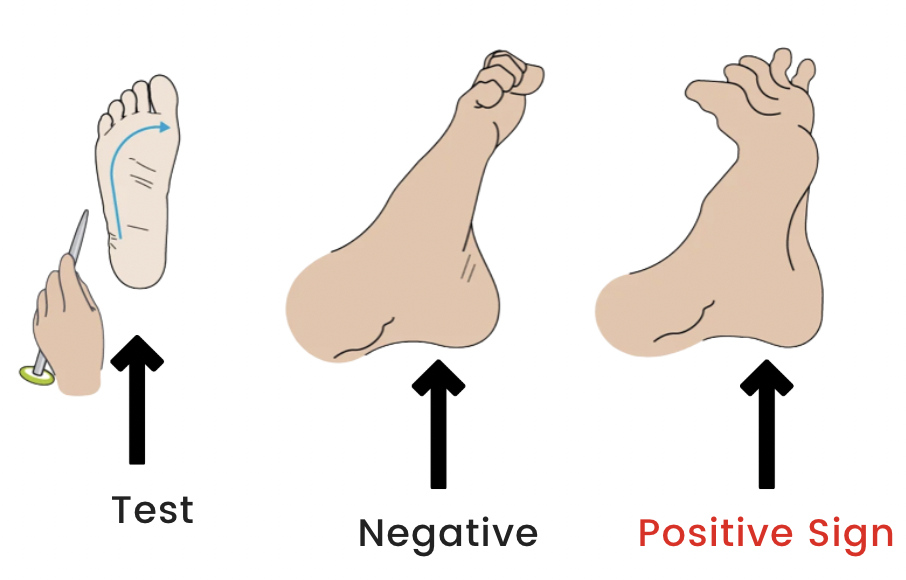
Appears: Birth
Inhibits: ~12 months
Function: Assesses development of corticospinal tracts and foot-to-core integrity.
Stuck Looks Like:
-
Upgoing toes during foot stimulation
-
Poor grounding or toe gripping
-
Gait instability
-
Cortical or lumbar motor disconnects
🧪 A retained Babinski may point to corticospinal pathway dysfunction — or persistent primitive patterning around foot-core integration.
4. Rooting Reflex: The Orienter
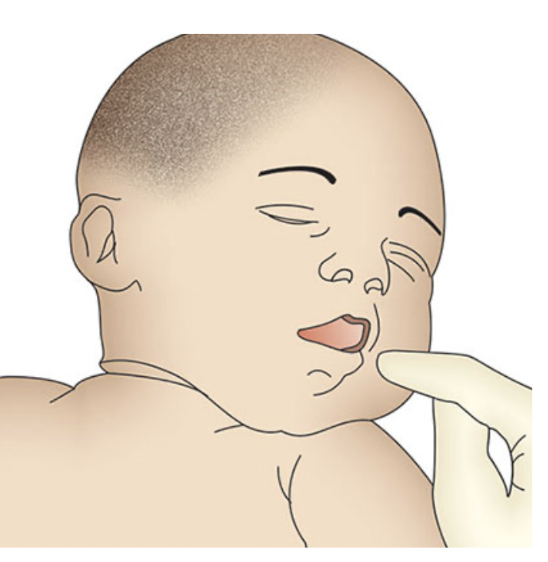
Appears: In utero
Inhibits: ~3–4 months
Function: Orients the head toward tactile input for feeding; foundational for early head control and cervical patterning.
Stuck Looks Like:
-
Overly reactive to facial touch
-
Cervical tone imbalances
-
Mouth or jaw tension
-
Emotional reactivity via facial inputs
-
Retained rooting patterns may mimic TMJ or upper trap issues
✅ Testing tip: Stroke the cheek — if the head turns and the SCM inhibits, Rooting is likely active.
5. Palmar Reflex: The Gripper
Appears: Birth
Inhibits: ~4–6 months
Function: Triggers grasping when palm is stroked — ties upper limb movement to tactile input.
Stuck Looks Like:
-
Difficulty letting go (literally + metaphorically)
-
Tight hands or forearms
-
Gripping during gait or movement
-
Emotional or sensory sensitivity tied to hands
✅ If stroking the palm inhibits finger extensors, the Palmar reflex is still running the show.
⚙️ How to Prioritize in Track 2
Not all reflexes are created equal. The nervous system will always prioritize based on where the biggest compensation is happening.
Use muscle testing to find the priority reflex — the one distorting movement or breath the most — and start there.
| Reflex | When to suspect it’s primary |
|---|---|
| ATNR | Gait dysfunction, midline split, visual/motor confusion |
| Gallant | Spinal wiggle, fidgeting, scoliosis |
| Babinski | Poor gait, foot reflexes, grounding issues |
| Rooting | Head rotation bias, cervical tension, mouth/jaw issues |
| Palmar | Tight grip, difficulty releasing, sensory hand tension |
🧠 Clinical Wisdom
Track 2 reflexes often go missed because their effects look like movement issues. But posture, gait, and visual coordination all trace back to these early programs.
If a client seems “twisted,” uncoordinated, or neurologically scattered — but their systems test strong in isolation — you’re likely looking at a retained Track 2 reflex pattern.
Integration here changes everything — especially in those tricky “nothing works” clients.
📚 Want to Learn the Full Reflex Integration Process?
We built the Functional NeuroHealth™ system to make reflex integration practical, clinical, and real-time.
✅ Test input → processing → output
✅ Identify priority reflex
✅ Apply exact correction the nervous system asks for
✅ Retest — and confirm
It’s all inside our clinical learning tracks:
🧠 Foundations Program — Practical neuro tools + live mentoring
🔬 Primitive Reflex Mastery — Deep dive on reflex integration
📲 Reply “REFLEX” for details or visit the site

Responses